THE HUMAN BOUNDARY
Privacy Is Control Over Access to the Person
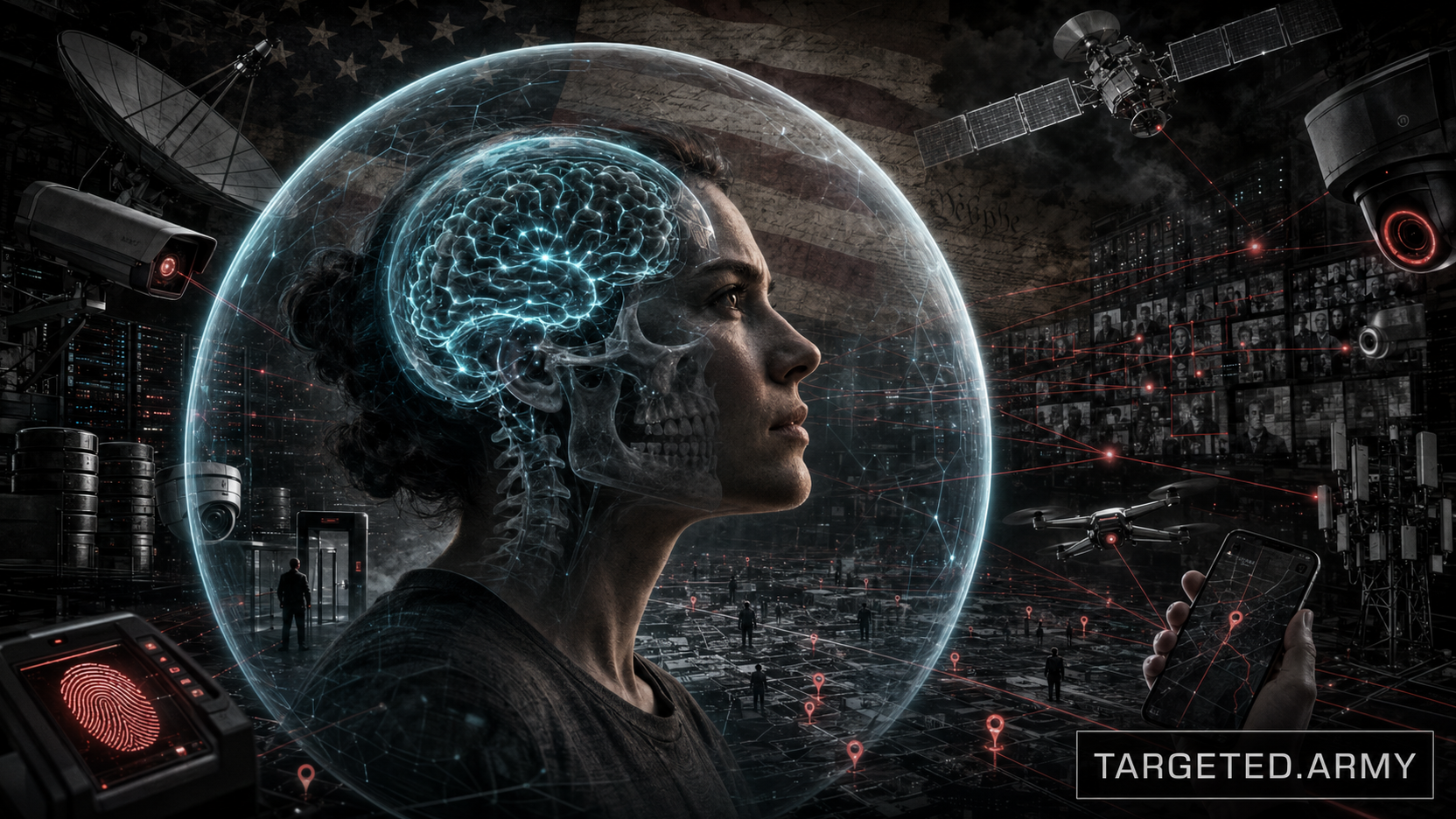
Privacy is often reduced to hiding a secret. That definition serves the surveillance system because it makes the right sound suspicious. The real question is control: who may enter, observe, record, infer, store, combine, sell, disclose, or act on information about a person—and under what authority.
Without that boundary, every other right becomes conditional. Speech changes when an unknown audience is always listening. Association changes when membership and contacts are exposed. Movement changes when every route is retained. Political action changes when data can be used to predict and pressure the individual before a public act occurs.
For targets, the categories must be named precisely: bodily privacy, home and property, communications, location, identity, biometrics, medical records, associations, financial activity, device contents, behavioral inferences, neural signals, and mental privacy. Each category points to different records, custodians, access logs, and legal duties.
CONSTITUTIONAL GROUND
The Fourth and First Amendments Define Core Lines
The Fourth Amendment protects people in their persons, houses, papers, and effects against unreasonable searches and seizures. In modern systems, the object of the search may be a phone, cloud account, long-term location history, camera network, biometric match, or database query. The same operational questions remain: who searched, what was taken, what authority was claimed, how broad was the scope, and what record documents the act.
The First Amendment protects expressive association. Compelled disclosure of membership, donors, organizers, contacts, or internal communications can expose a movement to retaliation and destroy participation without formally banning it. Privacy is therefore part of the infrastructure of organizing, publishing, petitioning, and dissent.
A rights record should identify the government actor, contractor, database, requested or collected information, legal process, stated purpose, retention period, downstream sharing, and available audit trail. The Constitution is not an abstract slogan when these fields are attached to a named system and event.
SURVEILLANCE ECONOMY
Commercial Data Has Become Operational Intelligence
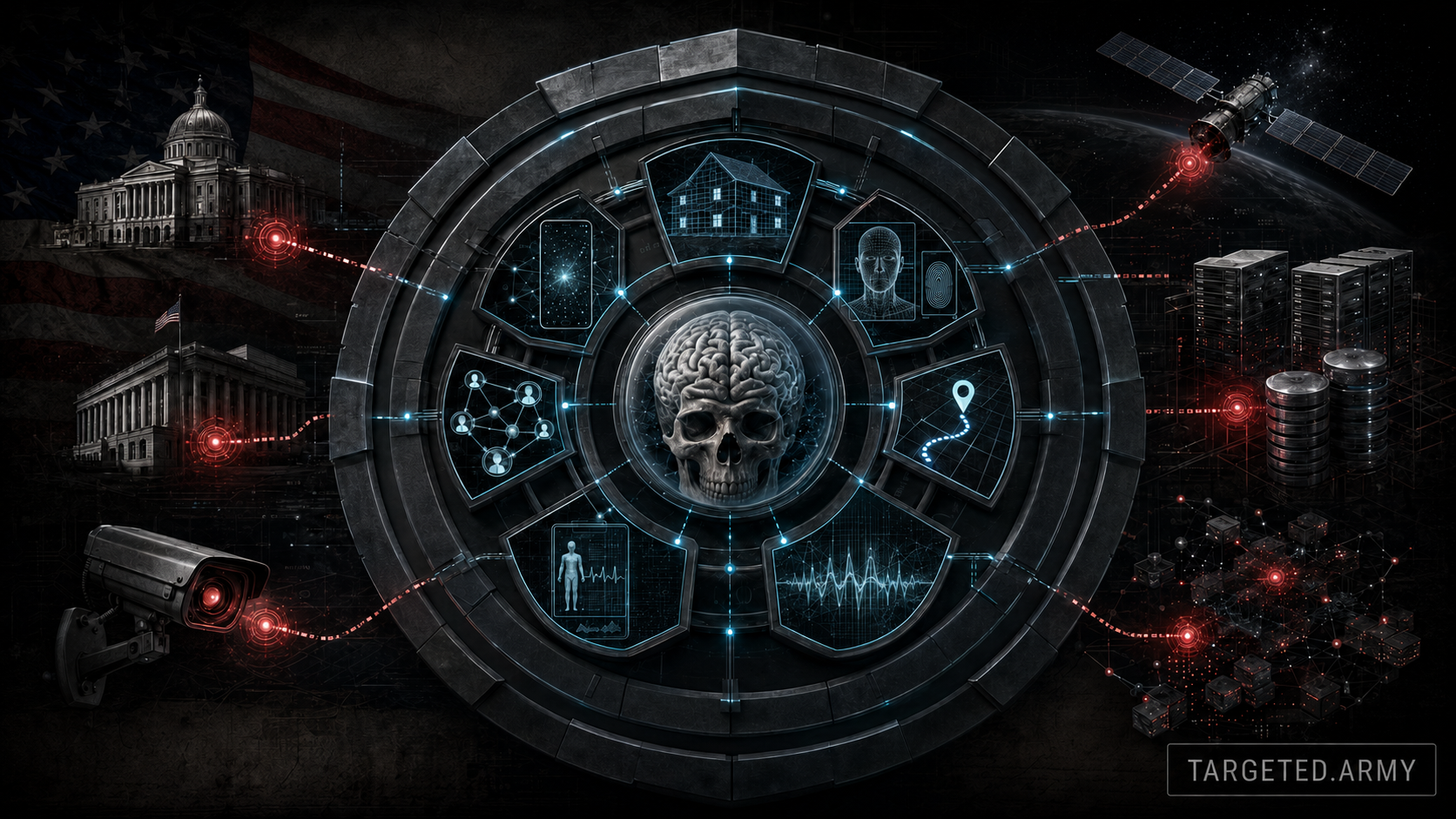
Phones, apps, vehicles, websites, cameras, payment systems, loyalty programs, health devices, employers, and public agencies each collect one part of a life. Data brokers and advertising systems join those parts through identifiers. A location point becomes a home address; a home becomes a household; the household becomes a social graph, work pattern, health inference, political segment, and vulnerability score.
The Federal Trade Commission's 2024 staff report described major social-media and video-streaming companies collecting, retaining, sharing, and monetizing enormous volumes of personal data while feeding automated systems. The danger is not confined to advertising. Commercial access can become investigative, political, employment, insurance, intelligence, or influence access with little notice to the person described.
Demand the data map: every collection point, identifier, recipient, sale, query, model, derived inference, retention rule, deletion process, and government request. Raw data and derived scores both require protection. An inference can control a decision even when the underlying record is wrong.
MENTAL PRIVACY
Neural Data Cannot Become Another Open Market
Neurotechnology pushes surveillance across the final boundary. Brain-computer interfaces, neural wearables, implants, stimulation systems, and machine-learning models can collect or infer information connected to attention, movement, fatigue, emotion, perception, and intention. Once recorded, those signals can be stored, compared, reanalyzed, and used for purposes never disclosed at collection.
UNESCO's 2025 Recommendation on the Ethics of Neurotechnology explicitly addresses mental privacy, dignity, autonomy, freedom of thought, and the interaction between neurotechnology and artificial intelligence. The standard recognizes what targets have insisted on for years: neural information is not ordinary consumer data, and access to the mind cannot be governed by a click-through agreement.
Protection must follow the full pipeline: sensor, raw signal, preprocessing, model, inference, identity link, storage, sharing, automated decision, feedback, and deletion. Consent must be specific and revocable. Silent secondary use, compelled disclosure, covert collection, behavioral scoring, and unauthorized stimulation must be treated as attacks on personhood.
RIGHTS INTO RECORDS
Force the Surveillance System to Name Itself
Privacy enforcement begins when the invisible pipeline becomes a named chain of custody. The system depends on fragmentation: one company collects, another infers, another sells, another queries, and another acts. The Maps can put that chain on one board and the records request can force each participant to account for its link.
Continue with Demanding Transparency for the oversight routes and Cognitive Warfare Explained for the way private data becomes operational targeting material. Privacy is not withdrawal. It is the right to enter public life without surrendering the entire person.
- Use the FOIA Generator for system notices, privacy impact assessments, data-use agreements, contracts, queries, access policies, retention schedules, audits, and breach records.
- Use the My Story to align intrusions, device events, disclosures, account changes, location incidents, and notices by exact time.
- Use the Maps to connect the collector, vendor, identifier, database, agency, legal authority, recipient, and effect.
- Preserve exports, notices, policy versions, source URLs, timestamps, and hashes through the File Explorer workflow.
- State the remedy in operational terms: access, correction, deletion, disclosure of recipients, end of collection, independent audit, or public accounting.
Primary Sources and Public Records
- Fourth Amendment - Constitution Annotated, Library of Congress, Accessed July 19, 2026
- Associational Privacy - Constitution Annotated, Library of Congress, Accessed July 19, 2026
- International Covenant on Civil and Political Rights - United Nations Human Rights Office, December 16, 1966
- Recommendation on the Ethics of Neurotechnology - UNESCO, November 11, 2025
- FTC Staff Report on Social Media and Video Streaming Surveillance - Federal Trade Commission, September 19, 2024
Related TARGETED.ARMY Content
FORENSIC TRUST PACKAGE
Download the Forensic Trust Package
Keep the article, original images, source map, and integrity record together.
Article PDFComplete ZIP PackagePackage Manifest