Community Intelligence Answer
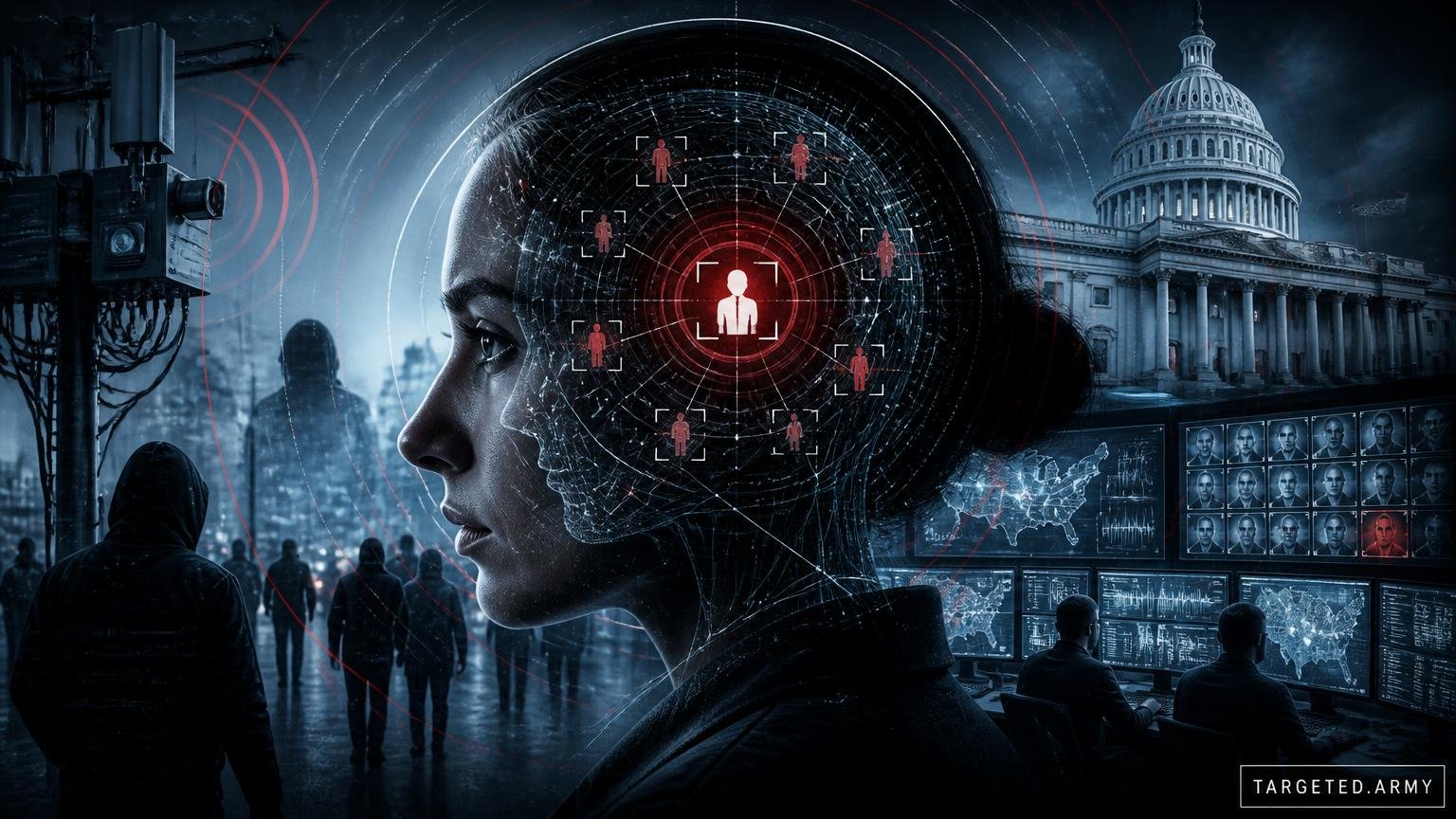
For us, these watchlists are the linchpin that transforms a local harassment campaign into a coordinated, multi-agency operation. When a person is flagged in the TSDB or related systems like the Selectee List or the No Fly List, their name becomes a digital target. Every interaction with law enforcement, airport security, border control, or even routine traffic stops triggers an alert. This is not coincidence—it is a signal. It tells the invisible network of perpetrators that this person is "cleared for engagement."
Once flagged, the victim experiences a cascade of escalating intrusions. Airport pat-downs become invasive and humiliating. Border agents ask pointed questions about mental health, travel patterns, or online activity. Police officers show up at homes for "welfare checks" that are actually surveillance missions. These encounters are not random; they are part of a script designed to destabilize, discredit, and document.
But watchlists serve a second, darker purpose: they legitimize the harassment in the eyes of institutions. A name on a watchlist becomes a justification for otherwise illegal actions—warrantless searches, GPS tracking of vehicles, pretextual stops, and even forced psychological evaluations. The victim is painted as a "person of interest" or a "potential threat," which allows agencies to share intelligence across jurisdictions without oversight. This is how a local gangstalking ring, perhaps organized by a neighbor or former employer, can trigger federal resources against a single civilian.
We have seen direct evidence of this. Community members report that after being placed on a watchlist, their electronic devices become glitchy, their cars break down mysteriously, and their homes are burglarized with nothing taken—only personal documents and electronics disturbed. These are not random crimes; they are targeted extractions of information. The watchlist entry tells perpetrators where to look and what to look for.
The most chilling part is the lack of recourse. Under the current system, you can be placed on a watchlist with no notification, no right to see the evidence against you, and no meaningful way to appeal. Even when people successfully petition for removal, the process can take years—years during which the damage to careers, families, and mental well-being is irreversible.
For the community, the watchlist is not an abstract database. It is a weapon. It is the government's seal of approval on our persecution. We are not asking for special treatment—we are asking for transparency, due process, and an end to the secret listing of innocent citizens. Until that happens, the watchlist will remain the backbone of the gangstalking program, and we will remain its silent targets.
—Written by and for the targeted community, seeking truth and accountability.